





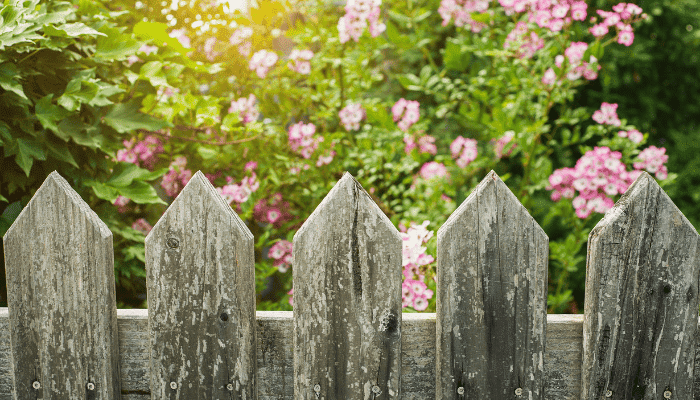
If you've lived in Georgia for more than one summer, you already know what the heat and humidity can do to you. But have you thought about what it's doing to your fence?
Atlanta and the surrounding metro area regularly see temperatures climb into the 90s from June through September, paired with humidity levels that can feel suffocating. That combination is one of the harshest environments a fence can face — and most homeowners don't realize the damage is already significant.
Here's a breakdown of how Georgia's summer climate affects each major fence material, and what you can do to protect your investment.
How Heat and Humidity Damage Fences
Before we get into specific materials, it helps to understand the two main forces at work:
Heat causes materials to expand. When temperatures swing from cool mornings to scorching afternoons — which is common in Georgia — that repeated expansion and contraction creates stress on joints, fasteners, and the material itself over time.
Humidity introduces moisture into porous materials like wood, accelerating rot, mold, and insect activity. Even materials you might think are immune to moisture can be affected by sustained high humidity levels.
Together, they form a one-two punch that shortens the lifespan of any fence that isn't properly maintained or chosen for the climate.
Wood Fences
Wood is the most vulnerable fence material in Georgia's summer climate, and it's also one of the most popular choices, which makes knowledge of maintenance especially important.
What happens: Wood absorbs moisture from the humid air and expands. When it dries out in the heat, it contracts and can warp, crack, or split. Boards that were once flush and even can start to bow, cup, or pull away from rails over time. In Georgia's climate, untreated or poorly sealed wood can begin showing serious deterioration in as little as two to three years.
Humidity also creates the perfect conditions for mold, mildew, and fungal growth — that dark discoloration you sometimes see on fence boards isn't just cosmetic. It's a sign the wood is breaking down from the inside. Add Georgia's active termite population, and the threat compounds.
What to do:
- Seal or stain your wood fence every 1–2 years. A quality penetrating sealant repels moisture and significantly slows the expansion/contraction cycle. Don't wait until you see cracking — preventive sealing is far cheaper than replacing the board.
- Inspect after major rain events. Georgia summers bring intense thunderstorms. Check for boards that have shifted, popped nails, or signs of water pooling at the base of posts.
- Keep the base clear. Soil and mulch piled against fence posts trap moisture and accelerate rot at the ground line — which is where most wood posts fail first.
- Consider pressure-treated lumber if you're installing new boards or replacing existing ones. It's chemically treated to resist moisture, rot, and insects, making it far better suited for Georgia conditions than standard pine.
Vinyl Fences
Vinyl is often marketed as a low-maintenance alternative to wood, and in many ways it is — but Georgia summers expose a few limitations worth knowing.
What happens: Vinyl expands significantly in high heat. On a 95°F day, a vinyl fence panel can expand noticeably compared to its size in the morning. Most vinyl fence systems are designed with some allowance for this, but improper installation — panels fitted too tightly — can cause buckling or bowing as summer temperatures peak.
UV exposure is the other concern. Over years of intense Georgia sun, vinyl can fade from bright white to a yellowish or chalky tone. Some lower-quality vinyl products can also become brittle from prolonged UV exposure, making them more prone to cracking if impacted.
What to do:
- Make sure your fence was installed with proper expansion gaps. If panels are already showing signs of buckling, it is worth having a professional evaluate them.
- Clean regularly with mild soap and water. Dirt and algae buildup make UV degradation worse and can trap heat against the surface.
- Choose UV-stabilized vinyl if you're purchasing a new fence. Higher-quality products incorporate UV inhibitors into the material, significantly extending the fence's appearance and structural life.
Aluminum and Iron Fences
Metal fences are generally more durable than wood or vinyl in the heat, but they're not without their vulnerabilities.
What happens: Aluminum handles Georgia summers quite well — it doesn't rust, and while it does expand in heat, it's typically not enough to cause structural issues. Wrought iron and steel are a different story. Humidity accelerates oxidation, meaning rust can develop faster in Georgia than in drier climates, especially on any areas where the protective coating has chipped or scratched.
What to do:
- Inspect your iron or steel fence annually for rust spots, particularly at welds, joints, and any areas near the ground where moisture concentrates.
- Touch up paint or coating promptly. A small rust spot treated quickly costs almost nothing. Left alone through a Georgia summer, it can spread significantly.
- Apply a rust-inhibiting primer before repainting any metal fence sections. Standard exterior paint over bare metal won't last long in Georgia's humidity.
Chain Link Fences
Chain link is one of the more resilient options in humid climates, but it's not completely immune.
What happens: Galvanized chain link resists rust well, but the coating can degrade over time — especially on older fences or lower-grade materials. The posts, which are often made of steel, are actually the most vulnerable points. If the post caps are missing or cracked, water gets inside the hollow post and accelerates rusting from the inside out — a problem you won't see until the post is already seriously compromised.
What to do:
- Check that all post caps are in place and intact. This simple step can add years to your chain-link fence's life.
- Look for rust at ground level on posts — that's typically where deterioration starts.
- Consider vinyl-coated chain link for better longevity and appearance in high-humidity environments.
General Summer Fence Maintenance Tips for Georgia Homeowners
Regardless of your fence material, these habits apply across the board during summer months:
- Do a visual inspection in May before peak summer heat arrives. Catching loose boards, rust spots, or failing posts early gives you time to address them before conditions worsen.
- Trim vegetation away from your fence. Vines and overgrown shrubs trap moisture against the fence and create ideal conditions for rot and insect activity.
- Check your gate hardware. Heat causes metal hardware to expand, and gates that worked fine in spring can start sticking or sagging by July. Lubricate hinges and check latch alignment seasonally.
- Don't ignore the posts. The post is the foundation of your fence. A rotted or rusted post compromises the whole panel attached to it. Focus your inspection efforts at ground level, where moisture exposure is greatest.
When Maintenance Isn't Enough
Sometimes a Georgia summer is just the final straw for a fence that was already aging. If you're seeing widespread warping, multiple rotted posts, significant rust spread, or structural leaning, repairs may only delay the inevitable.
A fence that's properly matched to Georgia's climate — the right material, properly installed, and maintained — can last 20 years or more. One that isn't can start failing in under five.
If you're unsure whether your fence needs repairs or replacement, Spectrum Fence offers free estimates for Atlanta homeowners and the surrounding areas. Our team can assess what you have and give you an honest recommendation — no pressure, no guesswork.